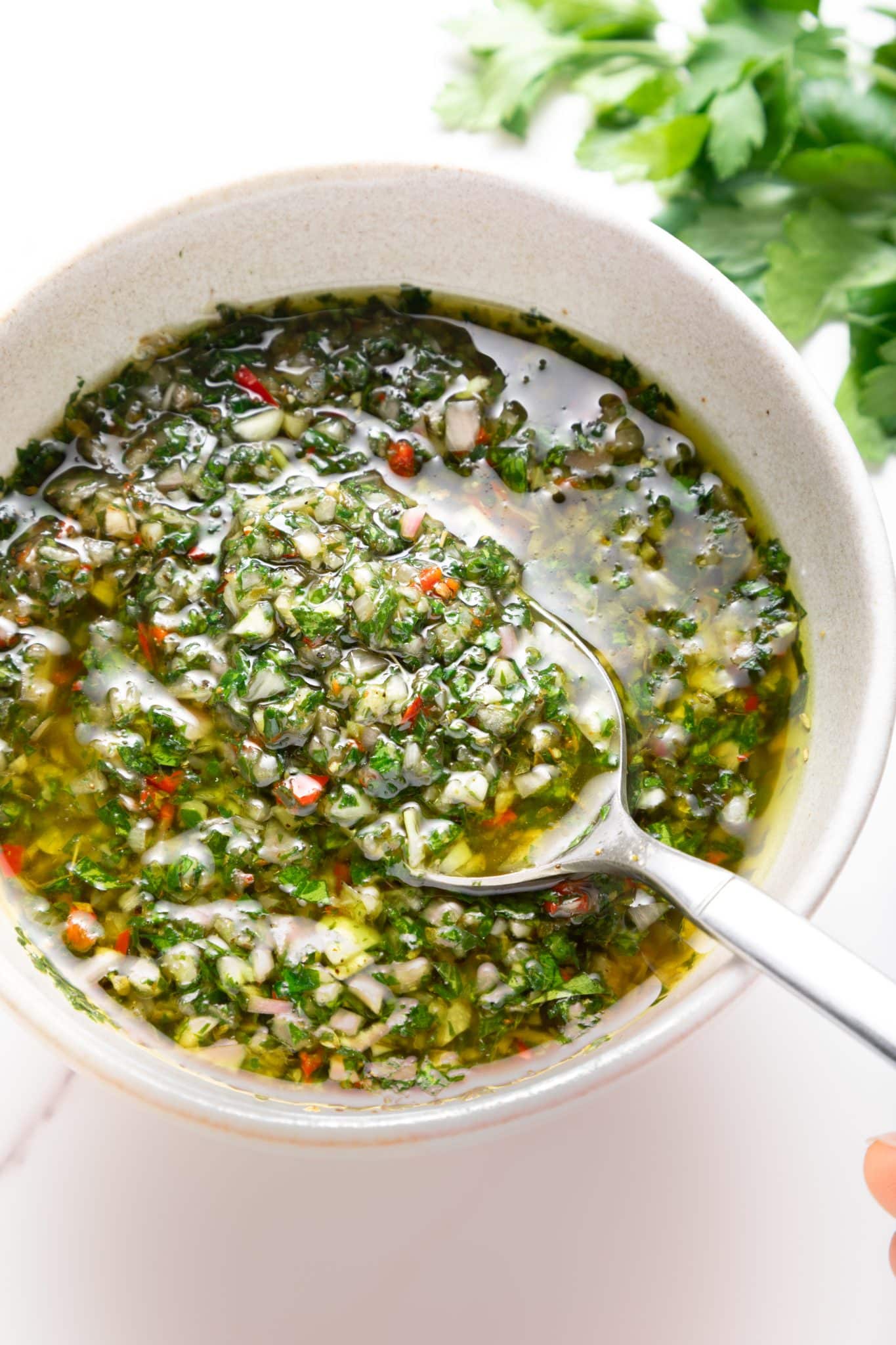
Unlock an explosion of fresh, vibrant flavors with an authentic homemade chimichurri sauce. This legendary Argentinian condiment, famous for its bold blend of fresh parsley and pungent garlic, is more than just a sauce – it's a culinary revelation that effortlessly elevates any dish. Forget bland, store-bought alternatives; crafting your own chimichurri at home is surprisingly quick, incredibly rewarding, and promises a taste sensation that will transform everyday meals into extraordinary feasts.
Whether you're looking for the ultimate companion to perfectly grilled steak, a zesty marinade for seafood, or a vibrant drizzle for roasted vegetables, this classic chimichurri sauce recipe is your gateway to an unforgettable gastronomic experience. Get ready to awaken your taste buds with a sauce that's fresh, garlicky, tangy, and boasts just the right amount of heat.
The Heart of Argentina: What Makes Chimichurri So Irresistible?
Originating from the sun-drenched plains of Argentina and Uruguay, chimichurri is more than just a condiment; it's a staple, a tradition, and an essential part of the vibrant culinary culture surrounding asados (barbecues). This herbaceous green sauce has captivated palates worldwide, steadily growing in popularity from quaint South American parrillas to high-end American restaurants. Its undeniable appeal lies in its harmonious balance of simple, fresh ingredients that come together to create a complex and invigorating flavor profile.
At its core, authentic chimichurri is a celebration of freshness. It’s typically made with finely chopped fresh parsley, minced garlic, a good quality olive oil, tangy red wine vinegar, and a hint of red pepper flakes for a gentle warmth. Unlike cooked sauces, chimichurri is a raw sauce, meaning all its ingredients retain their pristine flavors and aromatic potency. This results in a bright, assertive sauce that cuts beautifully through the richness of grilled meats, making it an absolute game-changer for steak, lamb, and chicken. But its versatility doesn't stop there; it's equally incredible drizzled over fish, vibrant roasted veggies, or even as a simple dipping sauce for crusty bread.
The beauty of a homemade chimichurri sauce recipe is its inherent superiority to anything you might find on a supermarket shelf. While store-bought versions often contain preservatives and lack the vivid freshness, making it yourself ensures you get that authentic, robust flavor and tantalizing texture that truly makes a difference. It's an easy homemade sauce that levels up virtually any meal, bringing a touch of South American flair directly to your kitchen.
Crafting the Perfect Chimichurri: Essential Ingredients & Savvy Variations
The secret to an outstanding chimichurri lies in the quality and freshness of its components. While the base is simple, paying attention to these details will yield a sauce far superior to any imitation. Here’s a breakdown of the core ingredients for our definitive chimichurri sauce recipe:
- Fresh Parsley: This is the undeniable star. Opt for flat-leaf (Italian) parsley over curly parsley, as it offers a bolder, more peppery flavor and a better texture when finely chopped. You'll want about 1 cup tightly packed, finely chopped.
- Garlic: The aromatic backbone. We recommend 4-6 cloves, finely minced, to provide that essential pungent kick. Don't be shy – fresh garlic is key to chimichurri's characteristic zest.
- Red Onion or Shallots: A quarter-cup of finely chopped red onion provides a mild, piquant crunch and a hint of sweetness. Some recipes, like those found on Food Network, suggest shallots for an even subtler, sweeter touch, which is an excellent variation to consider.
- Red Wine Vinegar: The essential acidic component. About 1.5 tablespoons provides the necessary tang that brightens the sauce and helps balance the richness of the oil and the intensity of the garlic.
- Extra Virgin Olive Oil: Crucial for body and flavor. Use a good quality extra virgin olive oil – about 1/2 to 3/4 cup – as its flavor will shine through. It binds the ingredients and creates that luscious texture.
- Crushed Red Pepper Flakes: For that touch of Argentinian warmth. Start with 1 to 1.5 teaspoons and adjust to your preferred level of heat.
- Salt: Himalayan salt or sea salt works wonderfully. About 1/2 teaspoon to start, then season to taste.
Optional Enhancements for Your Chimichurri
While the above constitutes the classic base, there's room for personalization:
- Oregano: Many traditional chimichurri recipes include fresh or dried oregano. If using fresh, make sure to pluck the leaves from the hard stems, as the stems can make the sauce overly textured. Chef John's recipe from Allrecipes often includes oregano, adding an earthy depth.
- Cilantro: For a different take, some modern versions incorporate cilantro alongside or in place of some parsley. This adds a brighter, citrusy note.
- Cumin & Black Pepper: A pinch of ground cumin can lend an intriguing earthy undertone, while freshly ground black pepper enhances the overall spice profile.
Your Step-by-Step Guide to the Best Homemade Chimichurri
Creating this bold, vibrant sauce is surprisingly straightforward. The key is in the preparation and the perfect emulsification. Forget complicated techniques; this chimichurri sauce recipe is designed for ease and maximum flavor.
- Prep Your Aromatics: Begin by meticulously washing and drying your fresh parsley. Fine chopping is crucial for the best texture and flavor release. A good rule of thumb is to chop it until it resembles a coarse meal. Finely chop your red onion (or shallots) and mince the garlic cloves. Set them aside. Expert tip: For a more rustic, textured sauce, hand-chopping is best. For a slightly smoother consistency, a food processor can be used, but be careful not to over-process, or you'll end up with a pesto-like paste rather than a vibrant sauce. Pulse only a few times until roughly chopped.
- Combine the Dry Ingredients: In a medium-sized bowl, combine your finely chopped parsley, red onion, minced garlic, and crushed red pepper flakes. Give them a quick stir to ensure even distribution.
- Introduce the Liquids: Pour in the red wine vinegar and stir well. Then, slowly drizzle in the extra virgin olive oil while continuously mixing. This slow addition helps the ingredients emulsify, creating a cohesive, flavorful sauce rather than separated oil and herbs. You'll notice the sauce starting to come together beautifully.
- Season and Taste: Add the Himalayan or sea salt. Stir thoroughly, then taste and adjust. This is your chance to perfect the balance: add more salt if needed, a splash more vinegar for extra tang, or additional red pepper flakes for more heat. Remember, the flavors will meld and deepen as it rests.
- The Flavor Infusion Rest: This step is non-negotiable for optimal flavor. Allow your freshly made chimichurri to sit at room temperature for at least 30 minutes, or even better, for a few hours. This resting period allows the flavors to truly marry and deepen, making for a much more complex and satisfying sauce.
And just like that, you’ve mastered the best homemade chimichurri sauce, better than store-bought!
Beyond the Grill: Unleashing Chimichurri's Full Potential
While chimichurri is famously paired with grilled meats, its versatility extends far beyond the barbecue. This bold sauce is a true flavor booster, capable of transforming a myriad of dishes. Here are some inspiring ways to use your freshly made chimichurri:
- Grilled Meats: This is its quintessential role. Drizzle generously over steak (especially flank, skirt, or ribeye), lamb chops, chicken breasts, or pork tenderloin. It acts both as a marinade and a vibrant finishing sauce.
- Seafood Sensation: Chimichurri brightens up grilled or pan-seared fish (salmon, cod, mahi-mahi) and shrimp beautifully. The tangy, garlicky notes complement the delicate flavors of seafood.
- Roasted & Grilled Vegetables: Toss roasted potatoes, asparagus, bell peppers, or corn on the cob with chimichurri for an incredible burst of flavor. It turns simple veggies into a gourmet side dish.
- Eggs & Breakfast: A spoonful over scrambled eggs, an omelet, or even avocado toast adds an unexpected and delightful zing to your morning.
- Sandwiches & Wraps: Spread it inside a sandwich, wrap, or on a burger for an instant upgrade. It’s a fantastic alternative to mayonnaise or mustard.
- Dipping Sauce: Serve it alongside crusty bread or as a dip for empanadas or spring rolls.
- Salad Dressing: Thin it out slightly with a little extra olive oil or water for a vibrant salad dressing.
For more inspiration on how this sauce can transform your meals, check out Quick Homemade Chimichurri: Level Up Grilled Meats.
Storage Tips: Store your homemade chimichurri in an airtight container in the refrigerator for up to 5-7 days. The olive oil may solidify when chilled; simply let it come to room temperature for about 30 minutes before serving, and give it a good stir.
Conclusion
There’s truly nothing quite like the invigorating taste of fresh, homemade Argentinian chimichurri. This vibrant parsley and garlic sauce is a testament to how simple ingredients, expertly combined, can create an extraordinary culinary experience. From transforming a humble weeknight dinner into a gourmet meal to impressing guests at your next backyard barbecue, mastering this chimichurri sauce recipe opens up a world of flavor possibilities.
So, gather your fresh herbs, mince that garlic, and embrace the joy of creating this incredible sauce from scratch. Your taste buds—and your grilled meats—will thank you!
