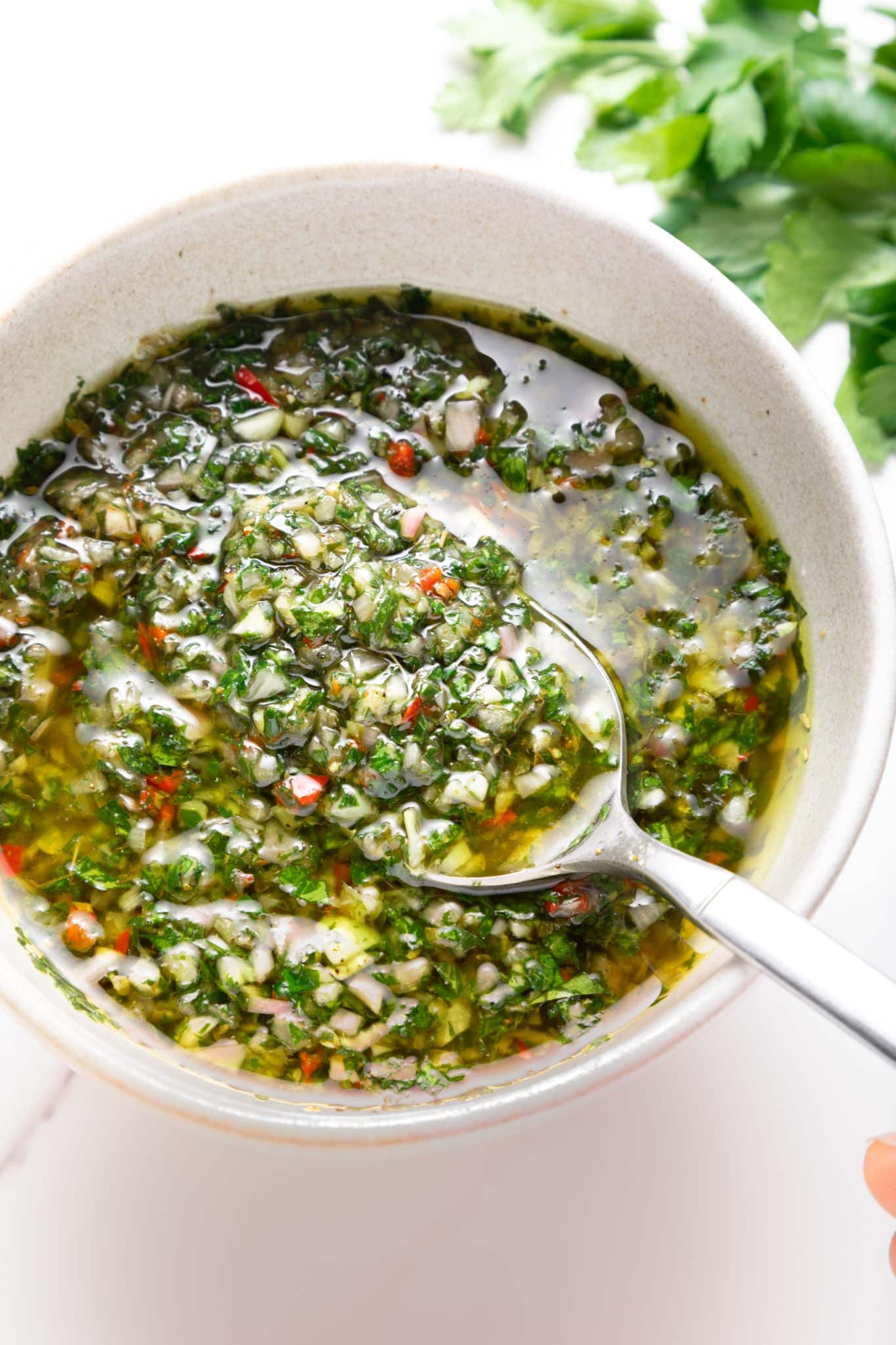
There's a secret weapon in the culinary world that can instantly elevate almost any dish from good to extraordinary: chimichurri. This vibrant, herbaceous sauce, hailing from the sun-drenched plains of Argentina, is more than just a condiment – it's a flavor revelation. Forget bland, store-bought alternatives; mastering a homemade chimichurri sauce recipe is surprisingly simple and utterly transformative. Get ready to level up your grilled meats, seafood, and veggies with a fresh, bold taste sensation that will have everyone asking for your secret.
What is Chimichurri? The Ultimate Flavor Booster from Argentina
At its heart, chimichurri is a rustic, uncooked sauce originating from Argentina and Uruguay, where it's a staple condiment for asados (barbecues). Traditionally, it's served alongside grilled meats, but its versatility knows no bounds. The beauty of chimichurri lies in its fresh, punchy flavor profile – a tantalizing balance of herbaceous notes, garlicky intensity, a subtle tang, and a gentle warmth from spices.
Unlike many sauces that require complex cooking, chimichurri thrives on the raw power of its fresh ingredients. Imagine a symphony of finely chopped fresh parsley, pungent garlic, bright red wine vinegar, high-quality olive oil, and a kick of red pepper flakes, all mingling together to create a sauce that awakens the palate. It's truly a game-changer, whether used as a marinade to infuse flavor into meats before grilling or as a vibrant topping to finish a dish with a flourish.
Why Homemade Chimichurri Reigns Supreme
You might have spotted jars of chimichurri on supermarket shelves, but once you've tasted the homemade version, there's simply no going back. The difference in freshness, aroma, and depth of flavor is monumental. Here’s why making your own is always the best choice:
- Unmatched Freshness: Store-bought versions often contain preservatives and lack the vibrant punch of fresh herbs and garlic. Homemade means peak flavor.
- Control Over Ingredients: You dictate the quality of your olive oil, the type of vinegar, and the freshness of your herbs. This control allows for a truly personalized and superior product.
- Customizable Flavor Profile: Want more garlic? Less heat? A touch more tang? When you make it yourself, you can easily adjust the ratios to suit your exact preferences.
- Simple and Quick: Despite its gourmet taste, a classic chimichurri sauce recipe comes together in mere minutes, making it an ideal last-minute addition to any meal.
For more insights into elevating your cooking with this incredible sauce, check out our guide on Make The Best Homemade Chimichurri Sauce, Better Than Store-Bought.
Your Go-To Homemade Chimichurri Sauce Recipe
This recipe balances tradition with modern convenience, ensuring a bold, vibrant, and incredibly flavorful chimichurri that will become your new kitchen staple. It's designed to be simple, whether you prefer hand-chopping for a rustic texture or using a food processor for speed.
Ingredients:
- 1 cup fresh Italian flat-leaf parsley, finely chopped (stems removed)
- 1/4 cup finely chopped red onion or shallots (shallots offer a slightly sweeter, milder note)
- 4-6 cloves garlic, minced (adjust to your garlic preference!)
- 1.5 teaspoons crushed red pepper flakes (or more, if you like it spicy)
- 1.5 teaspoons dried oregano (optional, but adds depth – make sure leaves are plucked from stems if fresh)
- 2 tablespoons red wine vinegar
- 1/2 teaspoon Himalayan salt (or sea salt)
- 1/4 teaspoon freshly ground black pepper (optional)
- 1/4 teaspoon ground cumin (optional, for an earthy hint as favored by some chefs)
- 1.5 cups high-quality extra virgin olive oil
Instructions:
- Prepare Your Herbs and Aromatics: Begin by thoroughly washing and drying your parsley. Remove the thick stems, then finely chop the leaves. If using fresh oregano, pluck the leaves from their stems. Finely chop your red onion or shallots, and mince the garlic. Precision in chopping here helps with flavor distribution and texture.
- Combine Dry Ingredients: In a medium-sized bowl, combine the chopped parsley, red onion/shallots, minced garlic, crushed red pepper flakes, dried oregano (if using), black pepper, and cumin (if using). Give them a good stir to ensure they are evenly distributed.
- Add the Acid: Pour in the red wine vinegar. Stir well. The vinegar will start to awaken the flavors of the herbs and garlic.
- Emulsify with Olive Oil: Slowly drizzle in the extra virgin olive oil while continuously stirring. This slow addition helps the sauce emulsify slightly, creating a more cohesive texture. Continue mixing until all ingredients are well combined.
- Season and Taste: Add the Himalayan salt. Stir thoroughly, then taste the chimichurri. This is your moment to adjust! Need more salt? More heat? A bit more tang? Add small amounts and taste again until it's perfect for your palate.
- Rest for Flavor Development: This step is crucial. Cover the bowl and let the chimichurri sit at room temperature for at least 30 minutes, or ideally 1-2 hours, before serving. This allows the flavors to meld and deepen, transforming from a collection of individual ingredients into a harmonious, bold sauce.
Tips for Mastering Your Homemade Chimichurri
Crafting the perfect chimichurri is an art, but these tips will help you achieve excellence every time:
- Quality Ingredients Matter: Since chimichurri is an uncooked sauce, the quality of each ingredient shines through. Use fresh, vibrant parsley, robust garlic, and a good quality extra virgin olive oil for the best results. A high-quality red wine vinegar will also make a noticeable difference.
- Hand Chop vs. Food Processor: While a food processor can speed things up, be mindful of over-processing. Pulsing is key to achieve a textured sauce, not a smooth pesto. Many purists prefer hand-chopping for a more rustic, authentic feel and to prevent the herbs from becoming bruised and releasing bitter notes. If using a food processor, pulse only a few times until roughly chopped, then add liquids and pulse just a few more times.
- Adjusting the Heat: The red pepper flakes provide the primary source of heat. Start with the recommended amount and add more gradually if you prefer a spicier kick.
- The Role of Shallots/Red Onion: While not always traditional, a touch of finely chopped red onion or shallots (as suggested by Food Network) can add a subtle sweetness and depth, balancing the garlicky intensity.
- Don't Skip the Rest: Letting the sauce rest is non-negotiable. It allows the flavors to marry and deepen, resulting in a much more complex and satisfying chimichurri.
- Storage: Store leftover chimichurri in an airtight container in the refrigerator for up to a week. The olive oil might solidify slightly in the fridge; simply bring it back to room temperature before serving and stir well.
For a deeper dive into the traditional elements of this incredible sauce, explore Argentinian Chimichurri: Fresh Parsley & Garlic Sauce.
Serving Suggestions: Beyond Grilled Steak
While chimichurri is iconic with grilled steak, its versatility extends far beyond. Don't limit yourself! Here are some creative ways to enjoy your homemade chimichurri:
- Grilled Meats: The classic pairing. Drizzle generously over steak (skirt, flank, ribeye), lamb chops, chicken, pork tenderloin, or even a whole roasted chicken.
- Seafood: A fantastic companion for grilled fish (salmon, cod, mahi-mahi), shrimp skewers, or seared scallops.
- Roasted or Grilled Vegetables: Toss with roasted potatoes, asparagus, bell peppers, zucchini, or corn on the cob for an instant flavor upgrade.
- Eggs: A dollop on scrambled eggs, an omelet, or a fried egg makes for a surprisingly delicious breakfast or brunch.
- Sandwiches and Wraps: Use it as a flavorful spread instead of mayonnaise or mustard.
- Bread Dip: Serve alongside crusty bread as an appetizer.
- Marinade: Its acidic and oily nature makes it an excellent marinade for tenderizing and flavoring meats before cooking.
Conclusion
A truly exceptional meal often hinges on the quality of its components, and a bold, fresh chimichurri sauce is a prime example of how a simple condiment can become the star. This homemade chimichurri sauce recipe is not just a collection of ingredients; it's an invitation to bring the vibrant flavors of Argentina into your home kitchen. Quick, easy, and infinitely more delicious than any store-bought alternative, it promises to transform your grilled meats, seafood, and vegetables into an unforgettable culinary experience. So, gather your fresh herbs, mince that garlic, and prepare to elevate your cooking to a whole new level. Your taste buds will thank you!
